
Golf as a Low-Impact Exercise for Joint Health
Golf, often associated with leisurely strolls on beautifully manicured courses, is a sport that offers much more than just a pleasant way to spend a sunny day. It’s also a low-impact exercise that can significantly benefit joint health. While it may not have the intense cardio of some sports, golf provides an excellent opportunity for people of all ages to maintain joint health, reduce the risk of injury, and enjoy the great outdoors. Fiberbuilt golf hitting mats can help you practice your swing from the comfort of your own yard, allowing for a more frequent and consistent workout routine. In this article, we’ll explore how golf serves as a gentle, joint-friendly exercise and why it’s a smart choice for those looking to protect their joints while staying active.
The Low-Impact Nature of Golf

One of the primary reasons golf is considered a low-impact exercise is that it involves walking rather than running. The smooth, steady pace of walking on the course places minimal stress on the joints, especially when compared to high-impact activities like running or jumping. This gentler form of exercise is particularly suitable for individuals with joint issues or those looking to prevent joint problems in the future. The golf swing itself, when performed with proper technique, is also relatively low-impact.
Health Benefits of Golf for Joints
 Here are some of the key ways that golf can promote and maintain joint health:
- Range of Motion: The golf swing engages a wide range of motion, from the backswing to the follow-through. This movement helps maintain flexibility in the shoulders, hips, and spine.
- Muscle Engagement: Golf involves the use of various muscle groups, which helps stabilize and protect the joints. Strong muscles around the joints provide additional support and reduce the risk of injury.
- Balance and Coordination: Maintaining balance and coordination are essential for a successful golf swing. These aspects of the game help keep the joints stable and functioning optimally.
- Weight Management: Walking the course and carrying or pushing a golf bag can contribute to weight management. Maintaining a healthy weight reduces the load on the joints, especially in the lower body.
- Mental Health: Reducing stress and promoting relaxation through a round of golf can have indirect benefits for joint health. Stress and tension can exacerbate joint pain and inflammation, so relaxation is crucial.
- Social Interaction: The social aspect of golf encourages regular participation. Staying active with friends or making new acquaintances on the course can provide emotional and psychological benefits that support overall well-being.
Tips for Joint-Friendly Golf

While golf is indeed a low-impact exercise, it’s important to consider some tips to ensure that you’re taking care of your joints while enjoying the game:
- Warm up before you play to prepare your muscles and joints for the swing.
- Use proper swing mechanics and consider taking lessons to ensure your technique is joint-friendly.
- Invest in equipment, such as clubs and shoes, that are appropriate for your size and skill level.
- Stay hydrated to keep your joints lubricated.
- Pay attention to your body and rest or modify your game if you experience joint discomfort.
- Engage in a regular stretching and strengthening routine off the course to support your golf activities.
Golf is not only an enjoyable pastime but also a fantastic low-impact exercise that can contribute to joint health. With its gentle, walking-based nature and a focus on smooth swings, golf is accessible to people of various ages and fitness levels. So, if you’re looking for a joint-friendly way to stay active, improve your range of motion, and enjoy the great outdoors, consider hitting the golf course and reaping the many health benefits it offers.…


 When you drastically cut your calorie intake like crazy, your body begins breaking down muscle tissue for energy. This can lead to lowered overall muscle mass levels and strength. Muscles are not only important for physical appearance but also play a crucial role in our metabolism. They help burn calories even at rest, contributing to weight management.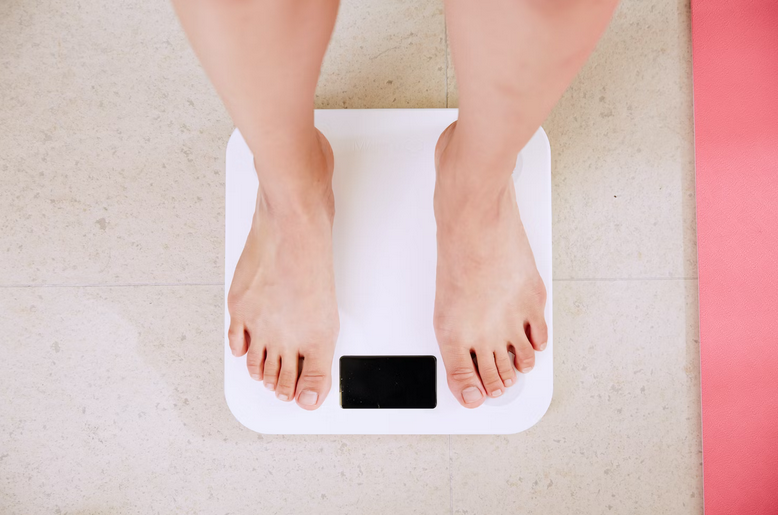


 Many women find that their progress can be slow and frustrating when it comes to building muscle. However, incorporating supplements into your diet can help give you an extra boost in achieving your fitness goals. This may include creatine, a supplement known for its ability to enhance muscle strength and growth. It works by increasing the energy available to your muscles during intense exercise, allowing you to push harder and recover faster.
 One of the primary causes of obesity is food addiction. We live in a world where unhealthy processed foods are everywhere, and they can be hard to resist. Many people have an intense craving for sugary and fatty foods that can lead to overeating and weight gain. If you feel like you’re addicted to certain junk foods, seek help from a health professional who can provide strategies for overcoming your food addiction. Some people can help you develop new habits and create a healthier lifestyle. If you do not take immediate action, you can eventually become obese.
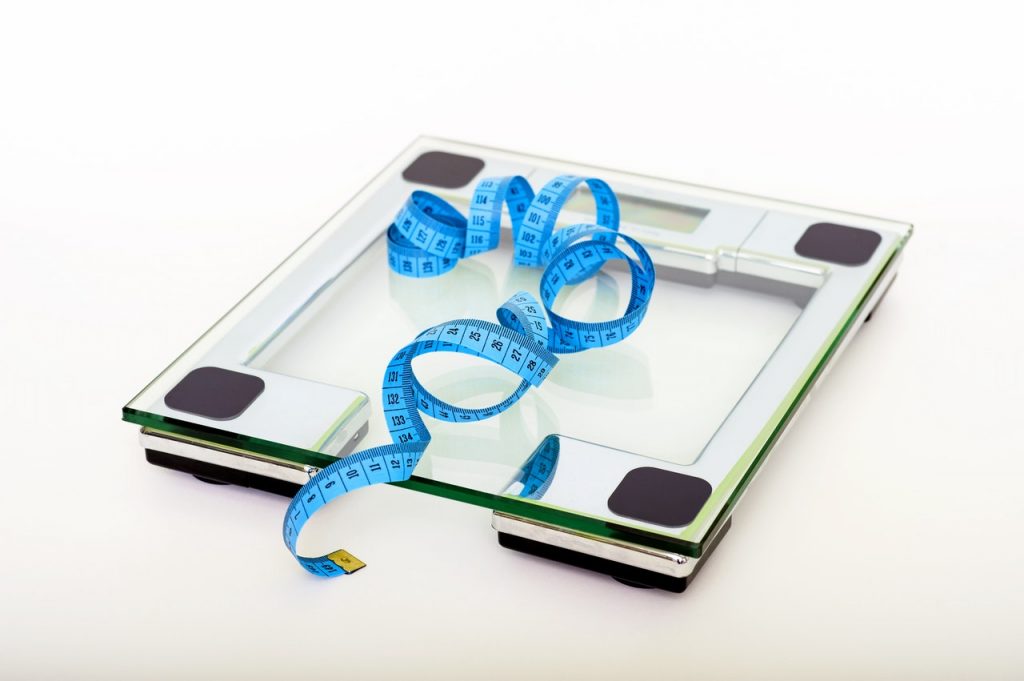
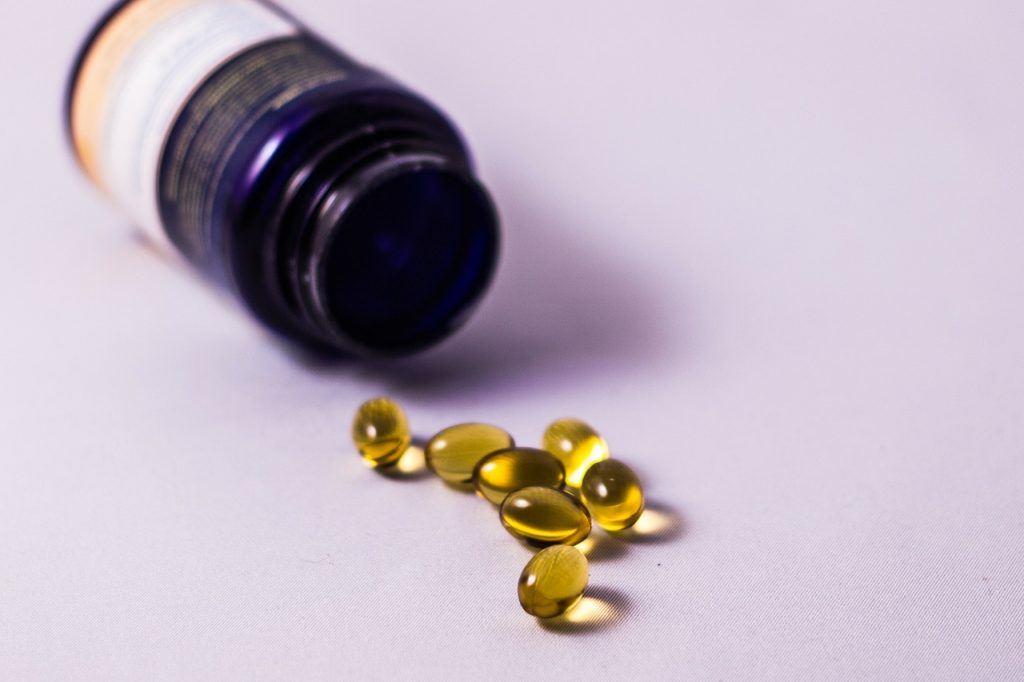 Different markets are full of counterfeits, making it hard for clients to access genuine products if they aren’t vigilant with their purchases. If you are using weight loss supplements or boosters, ensure that you are buying and using the best products in the market. Don’t compromise quality or price to avoid receiving fake commodities, which are dangerous.